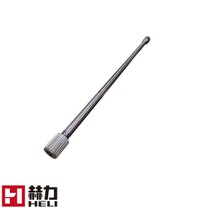
Reliable longwall production depends on more than the availability of a shearer. It also depends on selecting the right replacement component, confirming the technical scope and arranging delivery before a maintenance need becomes an emergency. For procurement managers, maintenance engineers and distributors, compatibility is therefore both a technical and a commercial decision. A part that appears similar to the original may still differ in geometry, material, heat treatment or interface details.
Such differences can create installation problems, accelerated wear or repeated downtime.
The first step is to identify the actual equipment configuration. Record the shearer manufacturer, model, serial number where available, assembly name and any known modifications. Confirm the exact part number and the applicable drawing or specification revision. Older machines may have been repaired or updated during their service life, so the original machine model alone may not fully describe the installed component. If the part number is unknown, provide clear photographs, dimensions, nameplate information and other available references. Mark uncertain details as unconfirmed instead of guessing.
The technical review should address machine model, serial number, part number, drawing revision, interfaces, material, dimensions and application suitability. The exact checks depend on the component, and the approved drawing or engineering specification remains the controlling reference. Buyers should distinguish between a part that looks similar, a part that matches key dimensions, and a part whose suitability has been assessed for the stated duty. Those are different levels of confidence. For critical components, involve the mine's responsible engineering personnel and follow the equipment maker's approved maintenance and safety procedures.
Ask the supplier what evidence can be provided for the specific order. Depending on the component and agreed requirements, this may include material certificates, dimensional inspection reports, hardness results, heat-treatment records, traceability details or other agreed quality documents. State mandatory requirements before approving the quotation. Also agree on the acceptance criteria, marking, packaging and how a nonconformity will be handled. Do not assume that every supplier includes every test or certificate as standard; make the required scope explicit in the request for quotation.
Maintenance evidence is valuable when selecting a replacement. Record operating hours, symptoms, previous repairs, lubrication history and the condition of mating components. Noise, heat, vibration, abnormal wear or recurring damage can indicate a developing problem, but a symptom alone rarely identifies the cause. Review the operating context and inspect the complete system where appropriate. Replacing only the visibly damaged item without addressing alignment, contamination, lubrication or an associated worn component may lead to another failure.
Commercial comparison should consider more than the unit price. Include production lead time, inspection, packing, freight, insurance, customs clearance, installation effort and the consequence of an incorrect or late delivery. A low price is not useful if the part cannot be verified or arrives after a planned shutdown. A higher price is not proof of better quality either; ask for evidence and compare offers against the same technical scope, delivery term and documentation requirements. Confirm when the quoted lead time starts and what milestones must be completed first.
A clear request for quotation should include the part number, machine model, quantity, required arrival date, destination, requested documentation and any known technical requirements. Attach drawings only through an agreed secure channel if they are proprietary. Ask the supplier to list assumptions and unresolved questions in writing. For repeat orders, retain the approved part reference, inspection records and order history so that future purchases can be handled more consistently. This discipline helps procurement, maintenance and engineering teams share the same understanding of what is being purchased.
Shaanxi Heli Mechanical Engineering Co., Ltd. supplies longwall shearer spare parts and welcomes enquiries involving components for JOY, Eickhoff and Chinese-made longwall shearers. Buyers can provide the machine details, part number, quantity, destination and required documents for a quotation discussion. The specific compatibility, manufacturing scope, quality records, availability and delivery schedule should be confirmed for each enquiry. Brand names are used for equipment identification and compatibility discussion only; they do not imply that Shaanxi Heli is owned by, affiliated with or authorized by those original equipment manufacturers.
Before placing an order, ask the supplier to confirm the part reference, technical scope, quantity, lead time, Incoterm and required shipping documents in writing. If an alternative or deviation is proposed, obtain engineering review and approval before production or installation. Keep the purchase order, approved specification, inspection documents and shipping records together. These simple controls reduce misunderstanding and make supplier performance easier to evaluate over time.
For maintenance teams, the goal is not simply to purchase a replacement; it is to restore equipment reliably and avoid preventable repeat work. For procurement teams, the goal is a clear, auditable order with realistic delivery commitments. When both sides share accurate machine information and agree on the inspection scope in advance, the sourcing process becomes more predictable. This is especially important when the component is needed for a planned overhaul or when an unexpected failure has already affected production.
If your team is sourcing compatibility, contact Shaanxi Heli Mechanical Engineering Co., Ltd. with the part number, machine model, quantity and delivery requirement. Share any available reference drawing or inspection observations, and identify the quality documents required for your order. The team can review the enquiry and clarify what information is needed to discuss a suitable supply option.